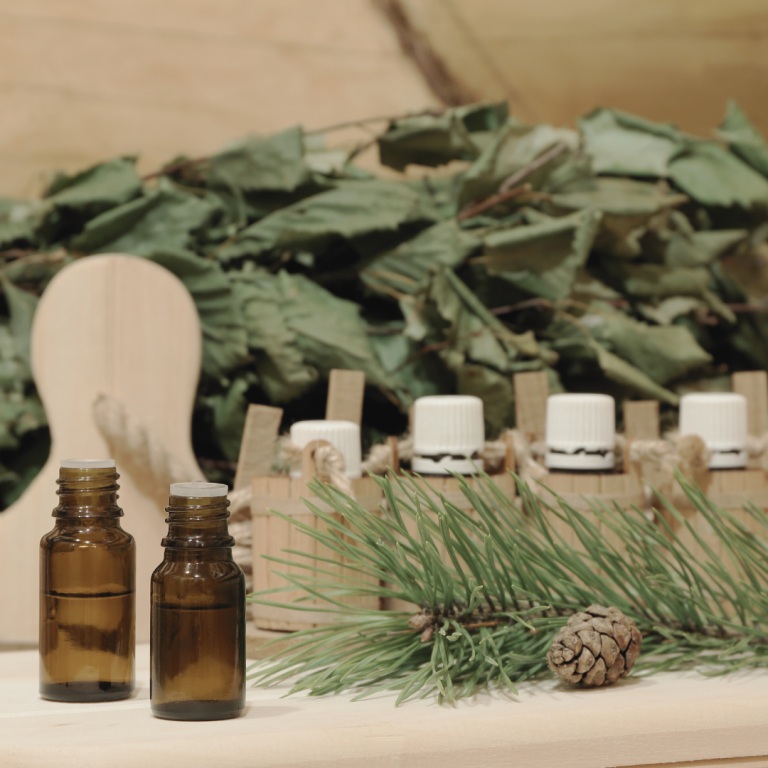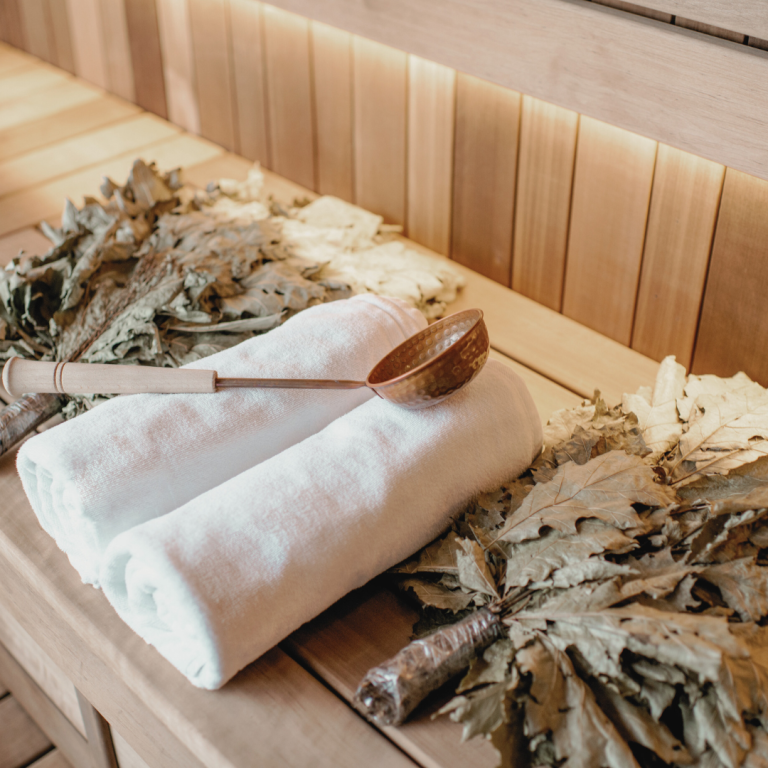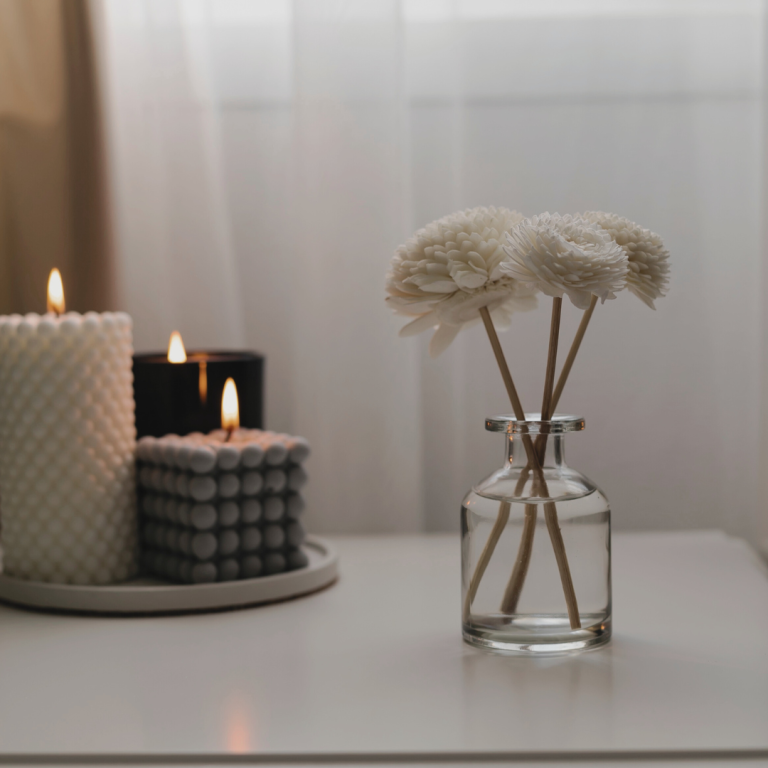
Sauna scents, often derived from natural sources like essential oils, play a crucial role in elevating the sauna experience. They are not just about pleasant aromas; these scents can have various health benefits, ranging from improved respiratory function to stress relief.
The Best Scents For Your Sauna Experience
Here’s a quick list of the most popular sauna scents around the world. Your choice depends on your own preferences and what kind of feeling you want to create.
Eucalyptus: The Refreshing Classic
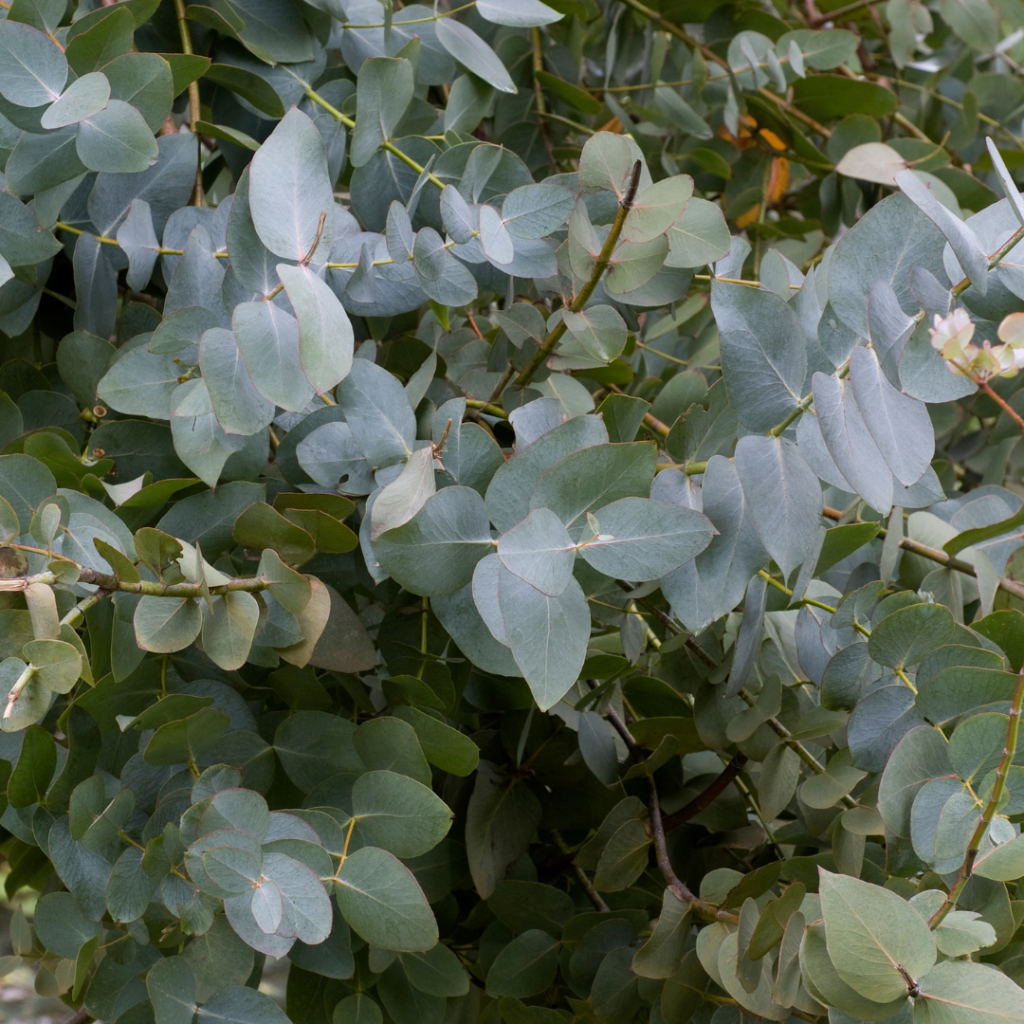
Eucalyptus is perhaps the most popular sauna scent, known for its crisp, refreshing aroma. It’s particularly beneficial for respiratory health, helping to clear nasal passages and ease breathing. This makes it an excellent choice for those looking to alleviate symptoms of colds or allergies.
Tar: The Rustic Essence of the Nordic Woods
Tar, an unconventional yet deeply traditional sauna scent, hails from the heart of Nordic heritage. It’s a dark, viscous liquid obtained from the dry distillation of wood, especially pine. The scent of tar in a sauna is both rustic and profound, evoking the essence of ancient forests and seafaring traditions.

Birch: The Freshness of the Northern Forests
Birch, a scent that captures the essence of the northern forests, is a delightful choice for a sauna experience. Known for its light, crisp, and somewhat sweet aroma, birch leaves or extracts bring a sense of the wilderness into the sauna.

Lavender: The Soothing Wonder
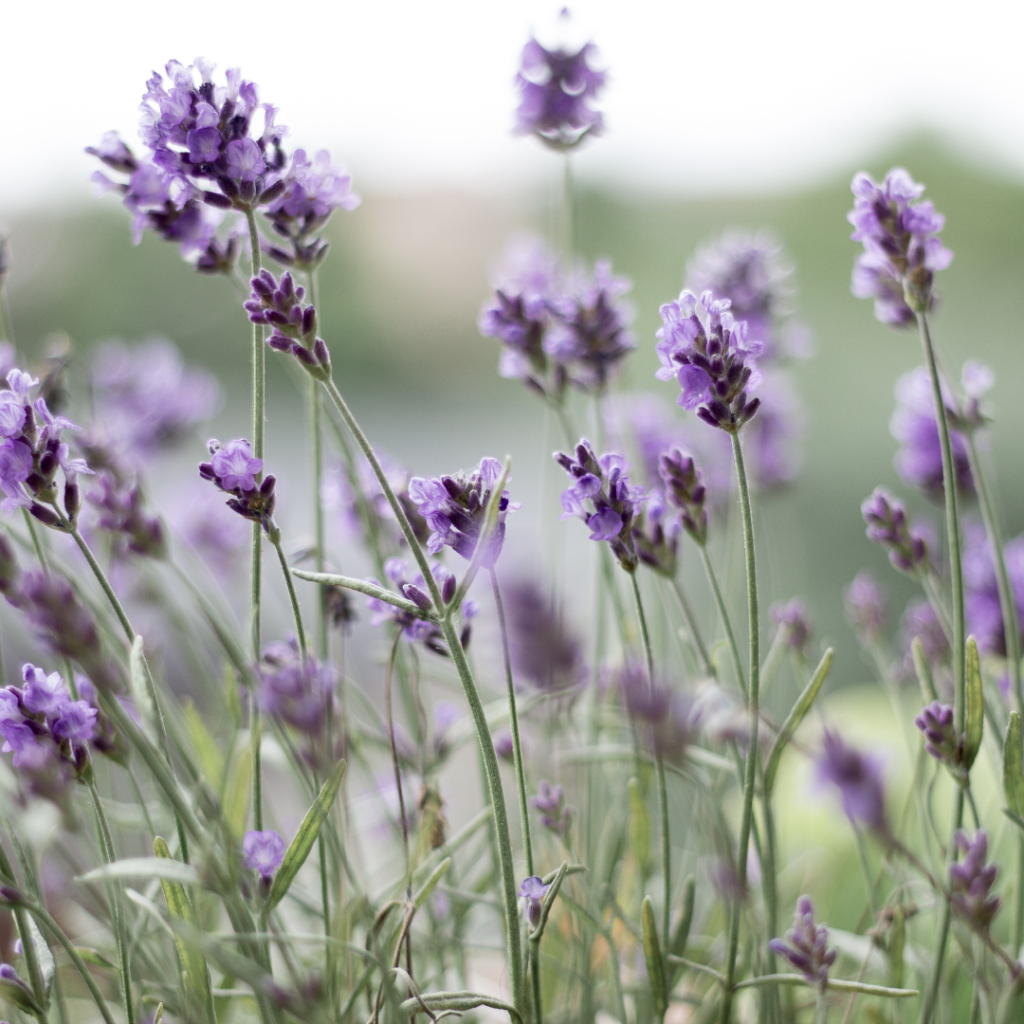
Lavender is famed for its calming and relaxing properties. In a sauna, the scent of lavender can help reduce stress and anxiety, promoting a sense of tranquility. It’s ideal for evening sauna sessions to prepare the body and mind for a restful sleep.
Pine: The Forest Retreat
Pine creates a refreshing and invigorating sauna environment, reminiscent of a walk through a lush forest. It’s known to help with mental clarity and can invigorate the senses, making it perfect for a rejuvenating morning sauna session.

Peppermint: The Cool Energizer
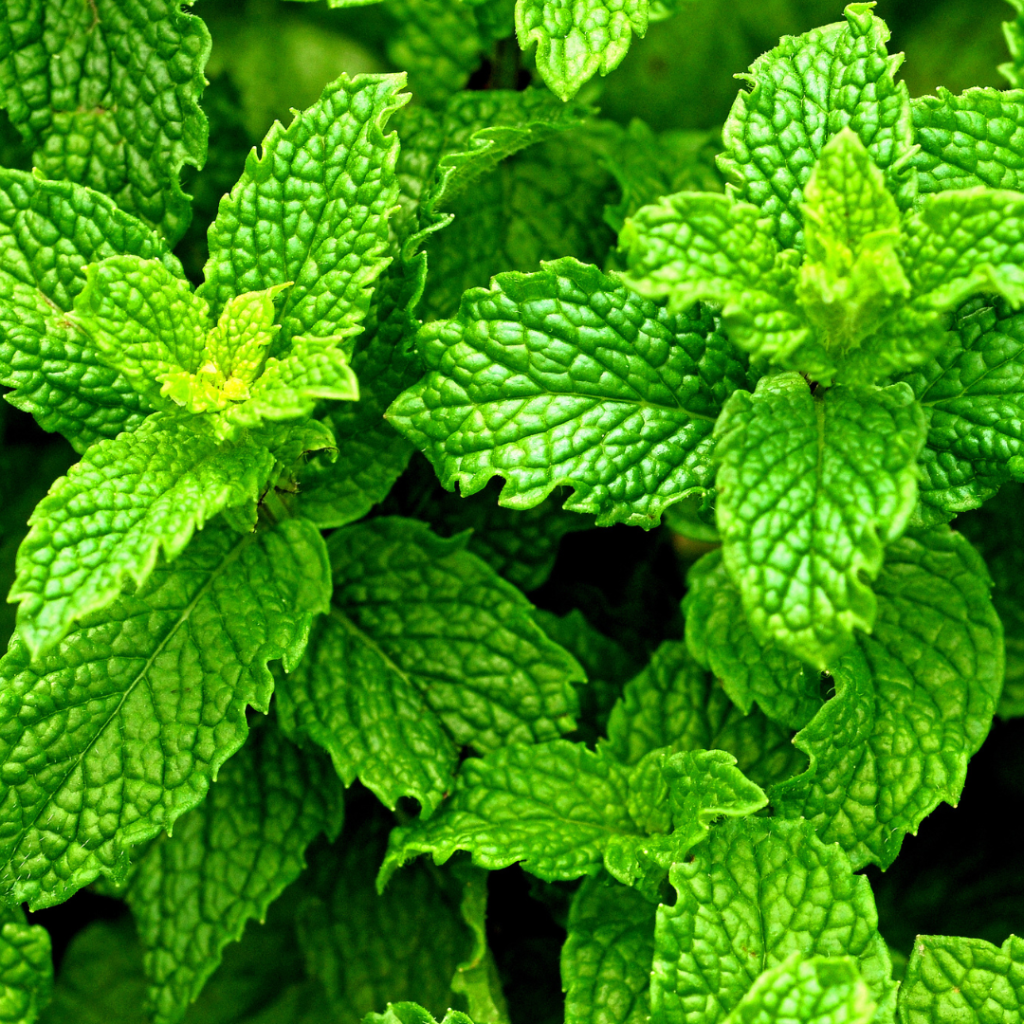
Peppermint, with its cool and minty aroma, is excellent for stimulating the senses. It can help improve concentration and energy levels. This scent is a fantastic choice for those looking to add a bit of pep to their sauna routine.
Citrus Scents: The Zesty Uplifters
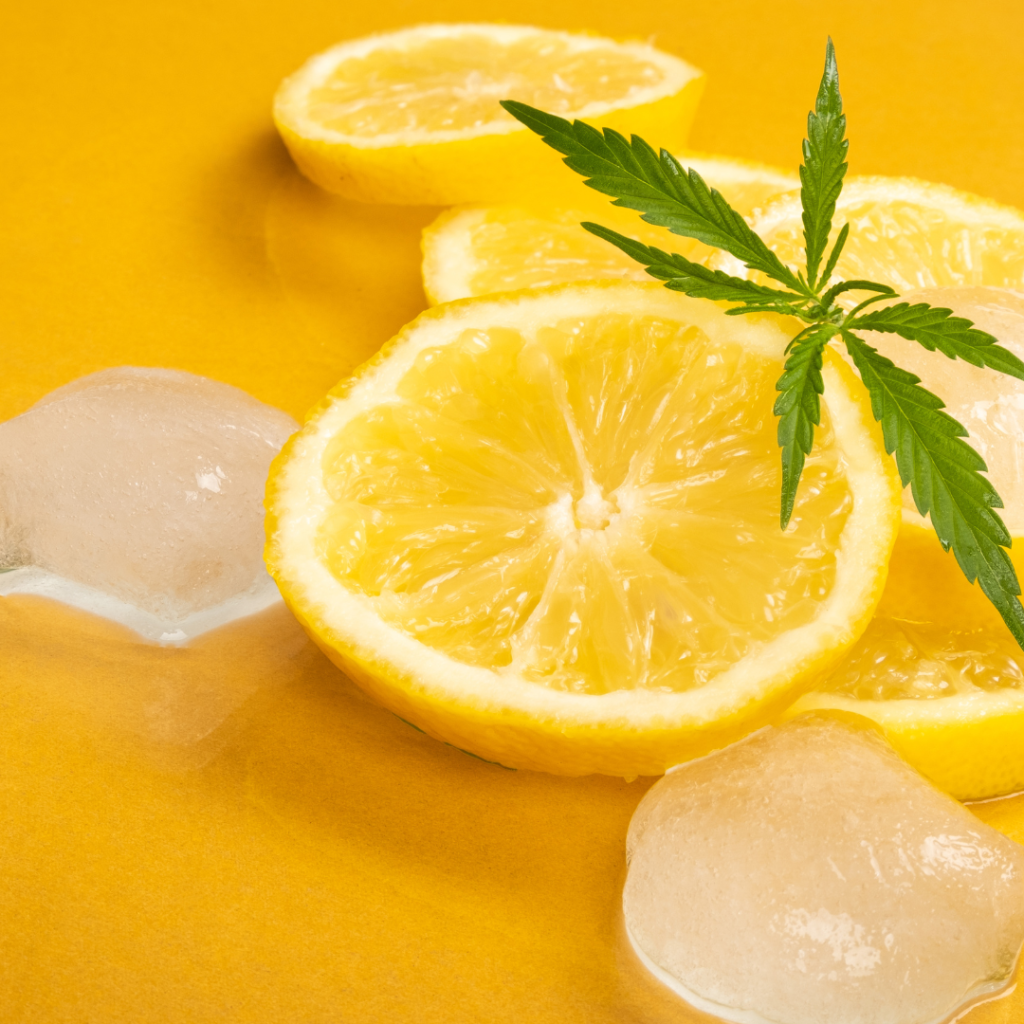
Citrus scents like orange, lemon, and grapefruit are known for their uplifting properties. They can boost mood and create a more joyful and energetic sauna environment. These scents are ideal for those seeking a bit of cheer in their day.
Sandalwood: The Exotic Soother
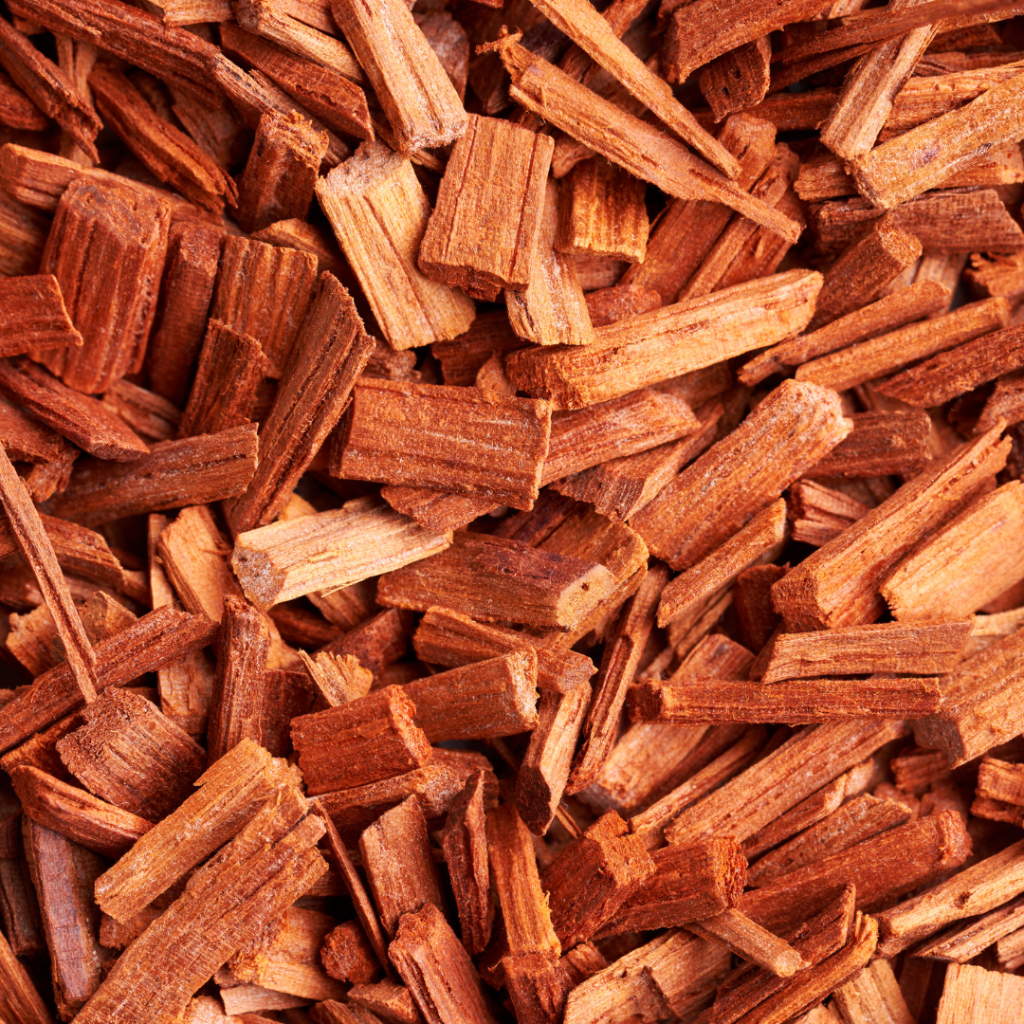
Sandalwood, with its warm and rich aroma, brings an exotic touch to the sauna experience. It’s known for its ability to calm the mind and soothe emotional stress. This scent is perfect for creating a luxurious and relaxing sauna atmosphere.
Cedarwood: The Grounding Essence
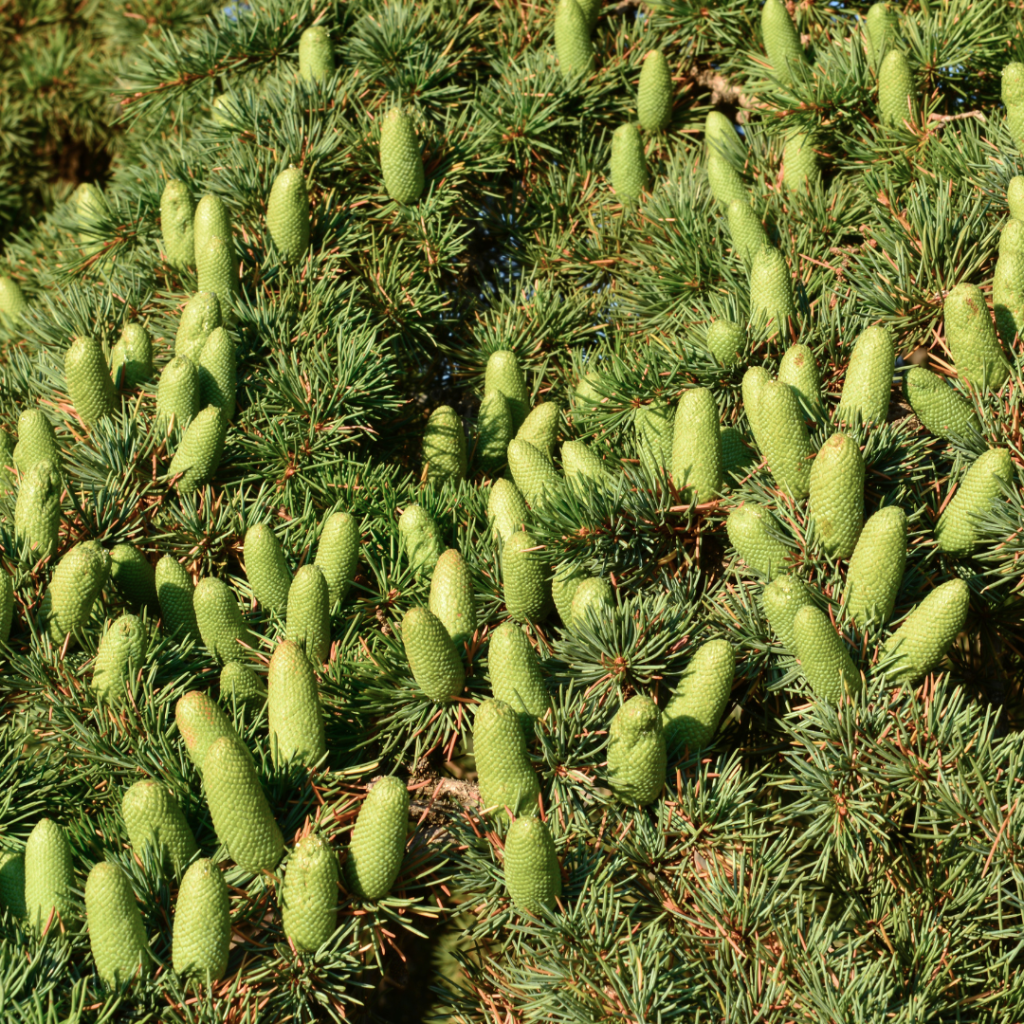
Cedarwood, with its woody and earthy notes, offers a grounding experience. It’s known for its stress-relieving and grounding properties, making it a great choice for those seeking a moment of peace and tranquility.
Chamomile: The Gentle Relaxant
Chamomile is well-known for its gentle, soothing qualities. In a sauna, it can help relax tense muscles and calm the mind, ideal for a post-workout session or to unwind after a stressful day.

Rosemary: The Memory Booster
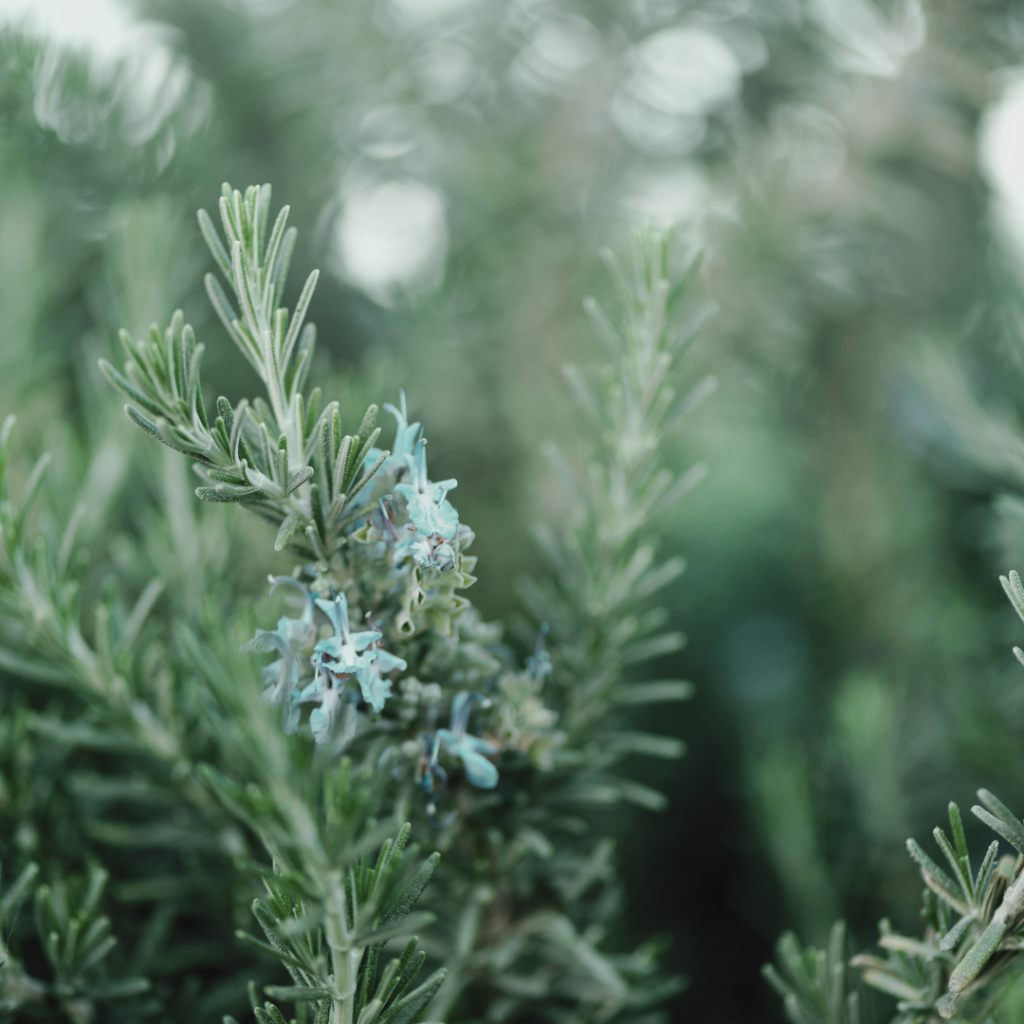
Rosemary is not just for cooking; its aroma in a sauna can help improve memory and concentration. It’s a great scent for those who want a mental boost along with physical relaxation.
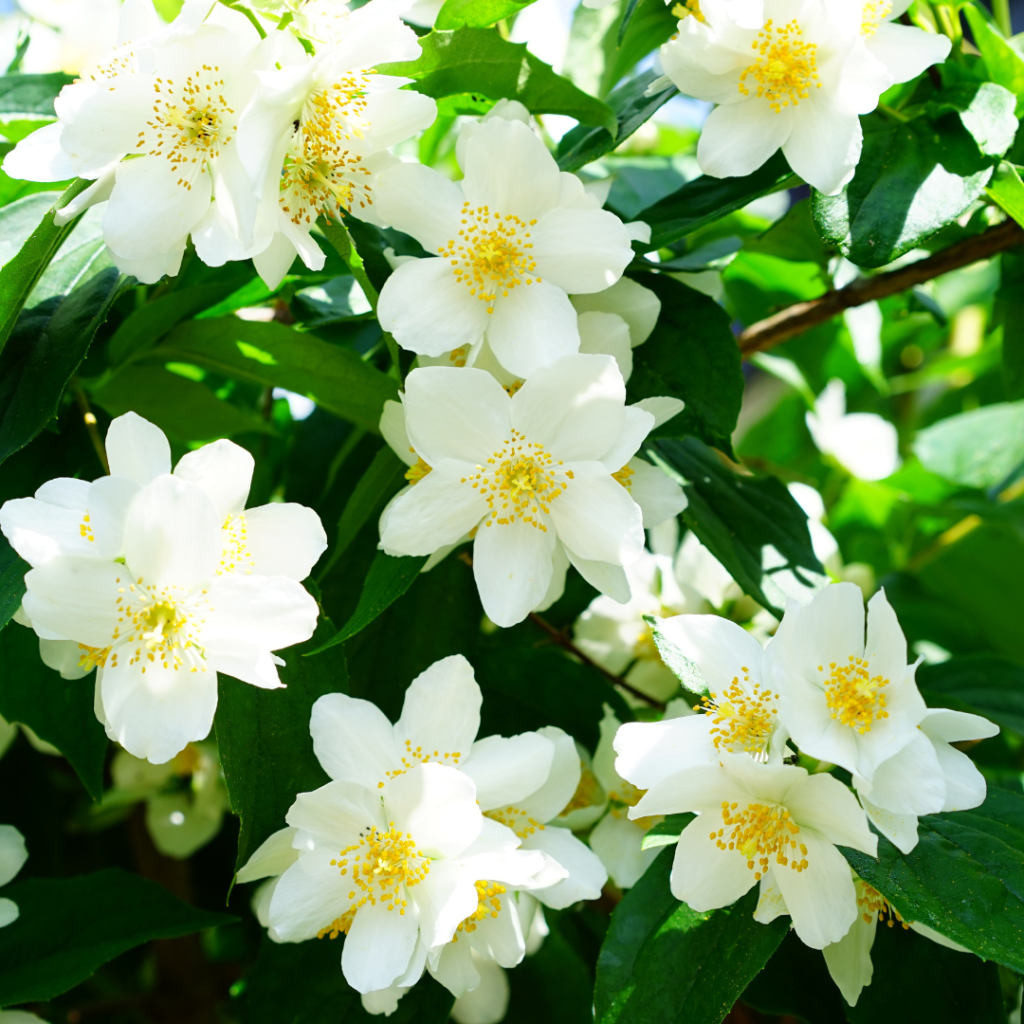
Jasmine: The Romantic Floral
Jasmine, with its sweet and romantic fragrance, adds a luxurious and sensual touch to the sauna experience. It’s perfect for special occasions or when you want to add a bit of romance to your routine.
Here Are Some Less Common But Exciting Sauna Scents
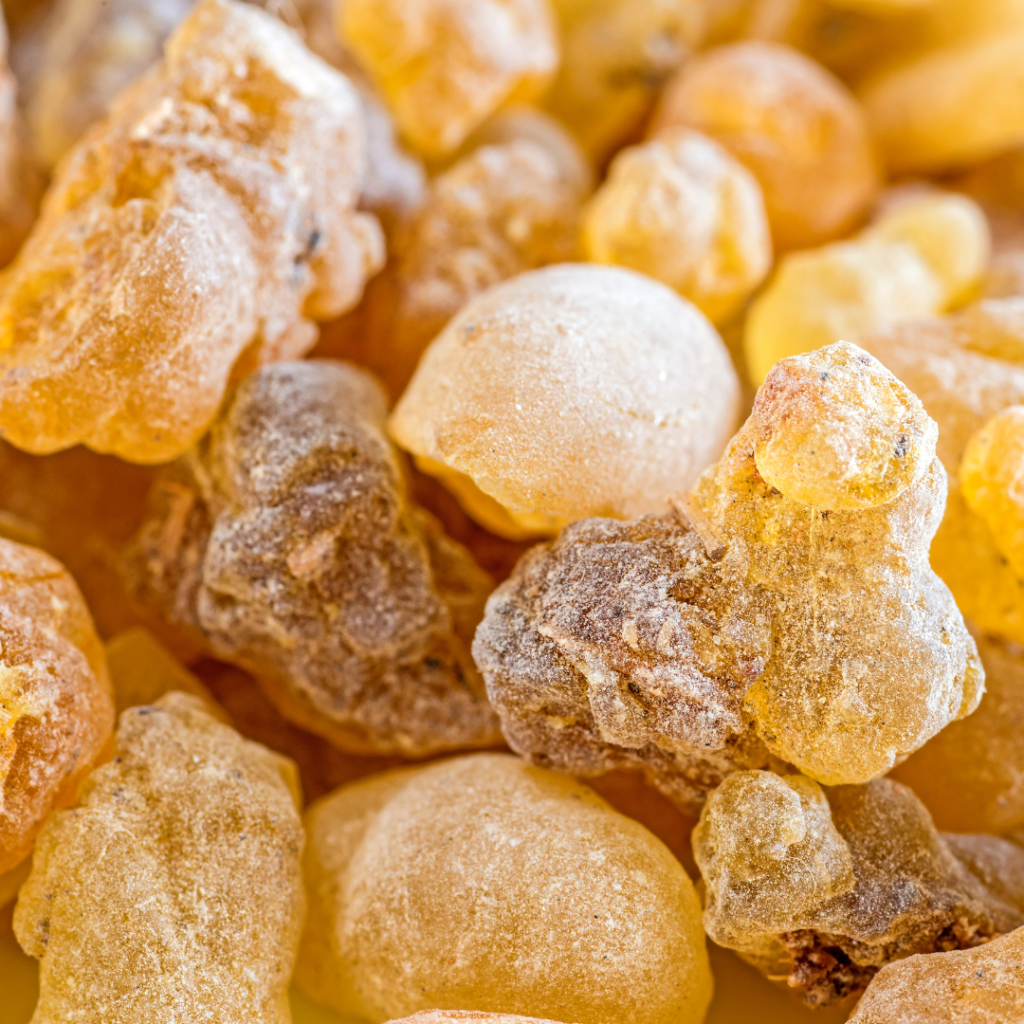
Frankincense: The Ancient Aroma
Originating from the Middle East, Frankincense offers a rich, woody, and slightly spicy aroma. It’s known for its calming effects and is often used in meditation and spiritual practices. In a sauna, Frankincense can create a deeply soothing and mystical ambiance.
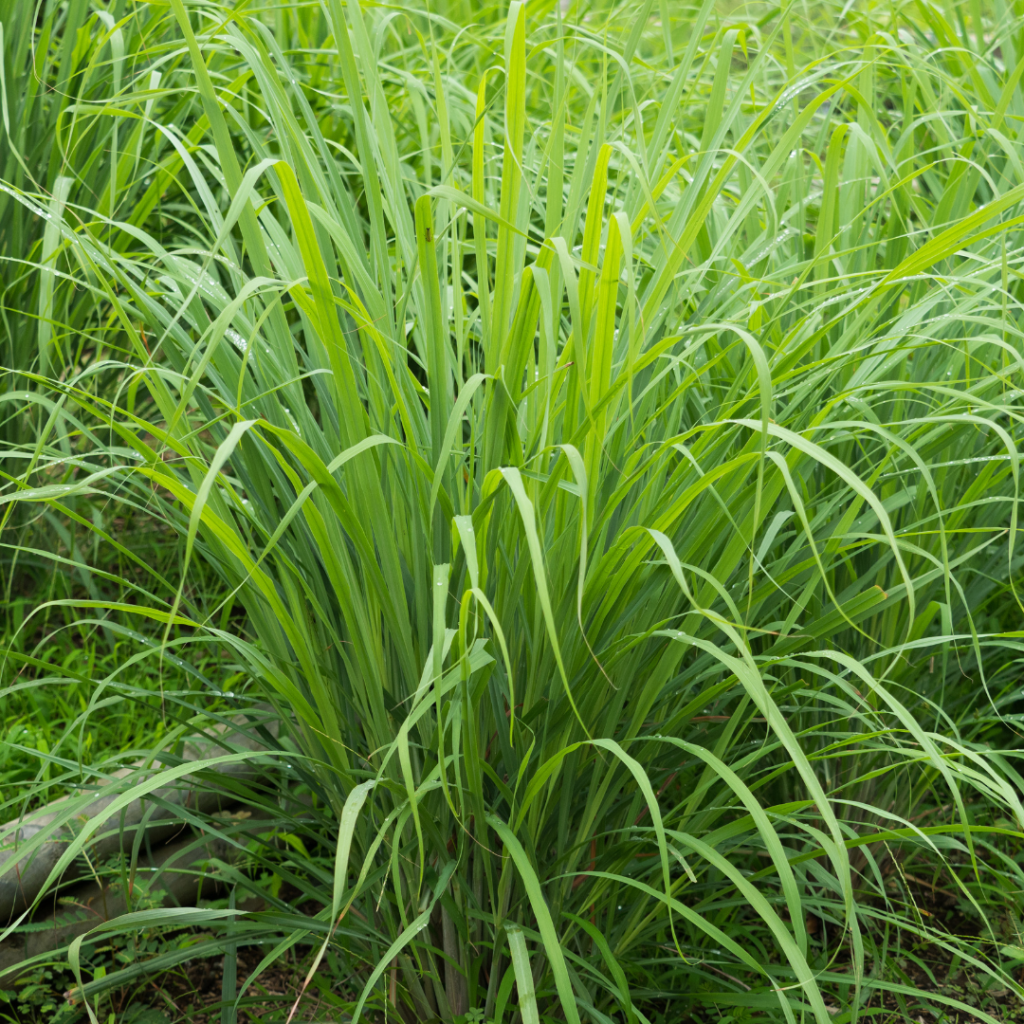
Lemongrass: The Tropical Zest
Popular in Southeast Asian cultures, Lemongrass provides a fresh, citrusy, and herbaceous scent. It’s refreshing and is known to have invigorating properties, making it a great pick-me-up for a morning sauna session.
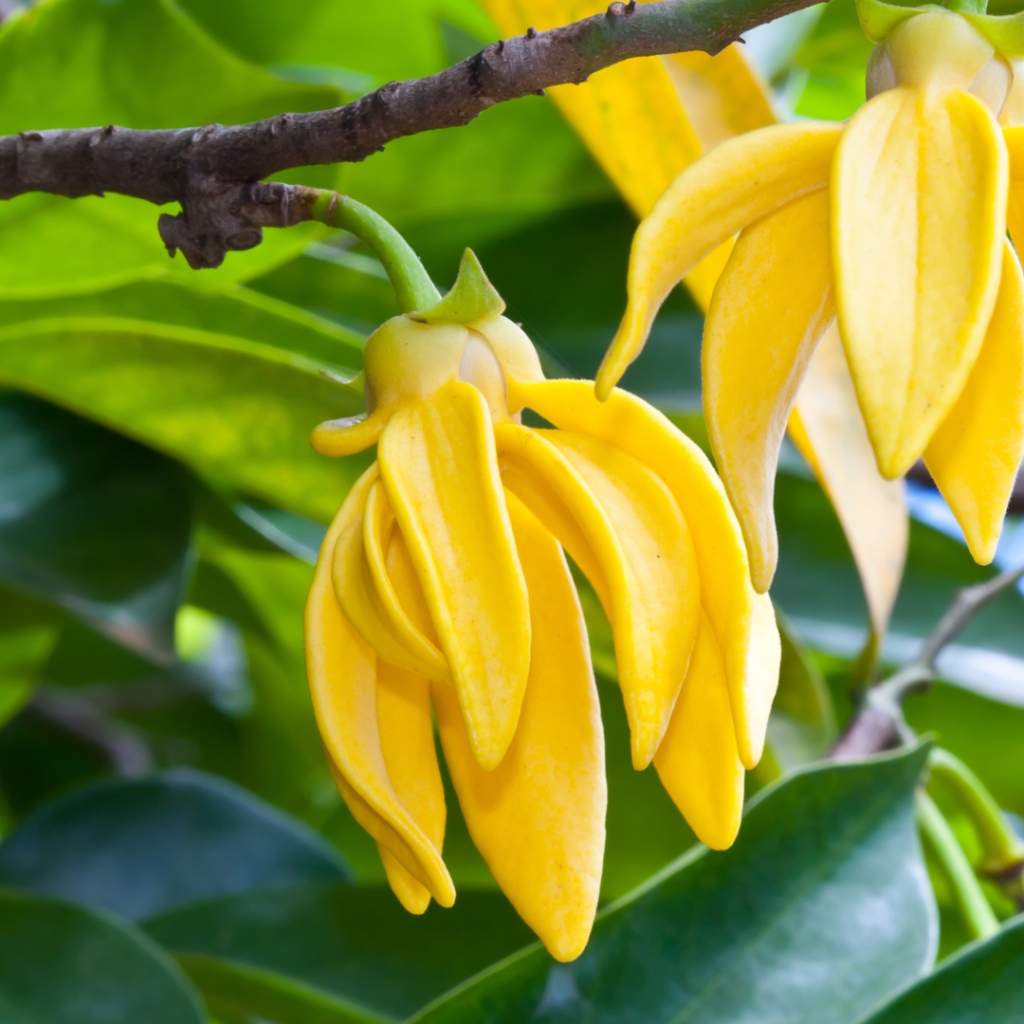
Ylang-Ylang: The Floral Indulgence
Ylang-Ylang, a flower from the rainforests of Asia and the South Pacific, has a sweet, floral, and slightly fruity fragrance. It’s often associated with romance and relaxation and can create a luxurious and sensual sauna environment.
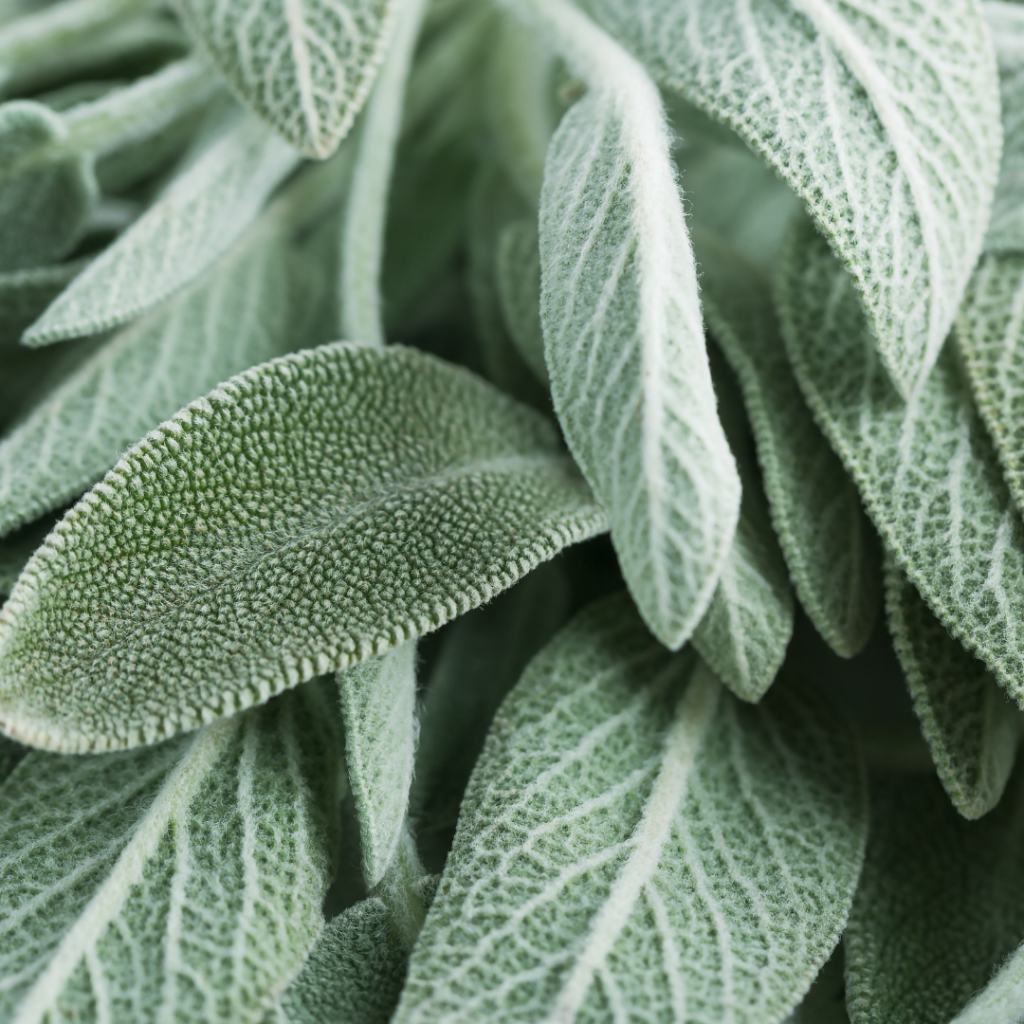
Clary Sage: The Herbal Comfort
Clary Sage, with its earthy and herbal aroma, is known for its calming properties. It’s often used to alleviate stress and promote a sense of well-being. This scent is ideal for creating a serene and comforting sauna experience.
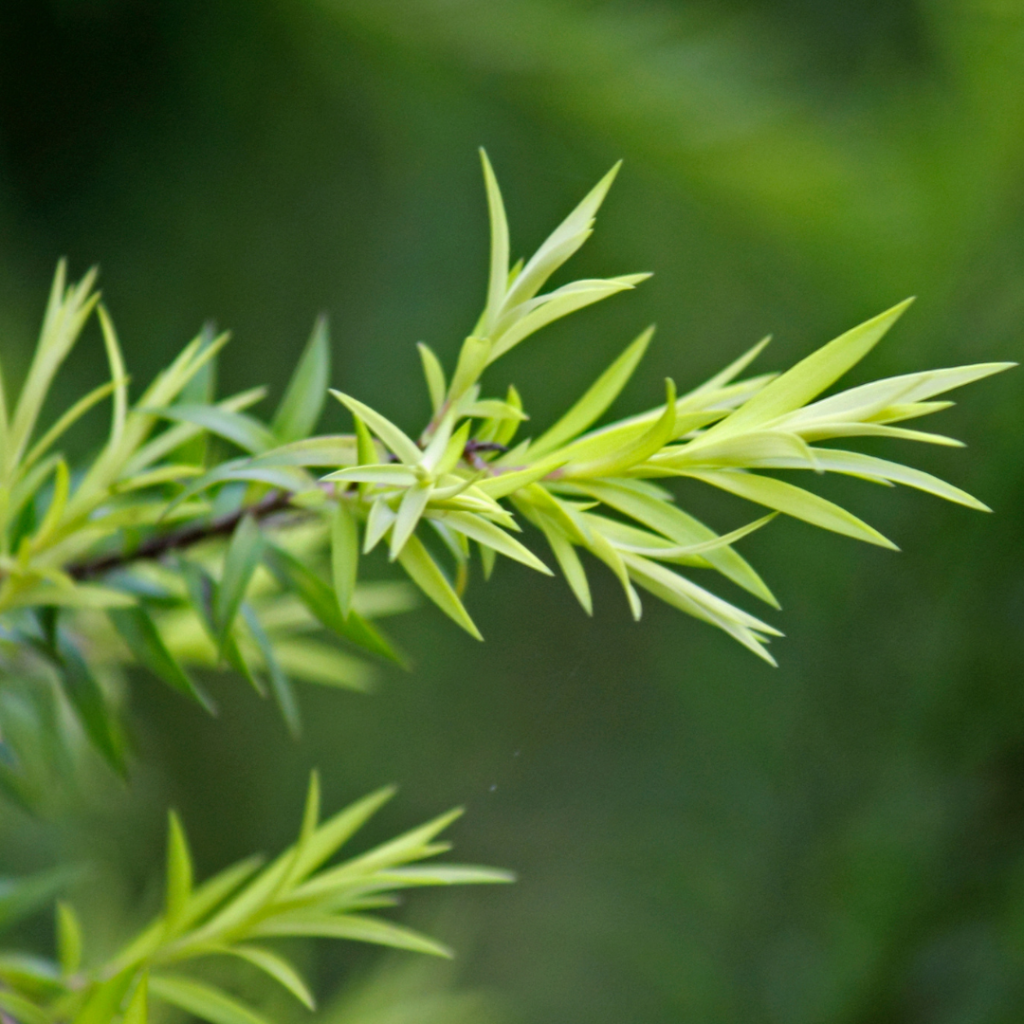
Tea Tree: The Refreshing Purifier
Native to Australia, Tea Tree oil offers a fresh, camphoraceous aroma. It’s known for its purifying and antibacterial properties, making it a great choice for a cleansing and rejuvenating sauna session.
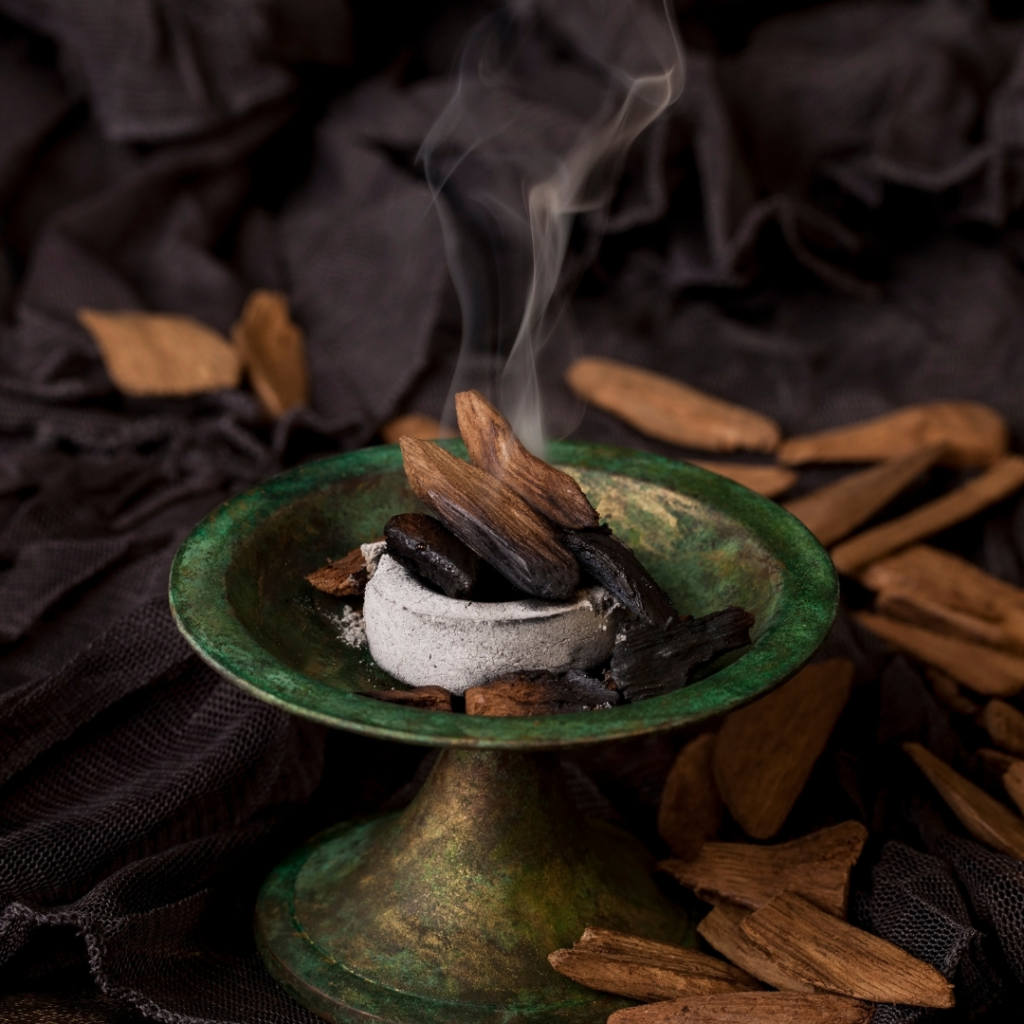
Oud (Agarwood): The Exotic Luxury
Oud, derived from the Agarwood tree, is highly valued in Middle Eastern cultures for its rich and complex scent. It’s a luxurious and deeply aromatic fragrance, often associated with opulence and sophistication.
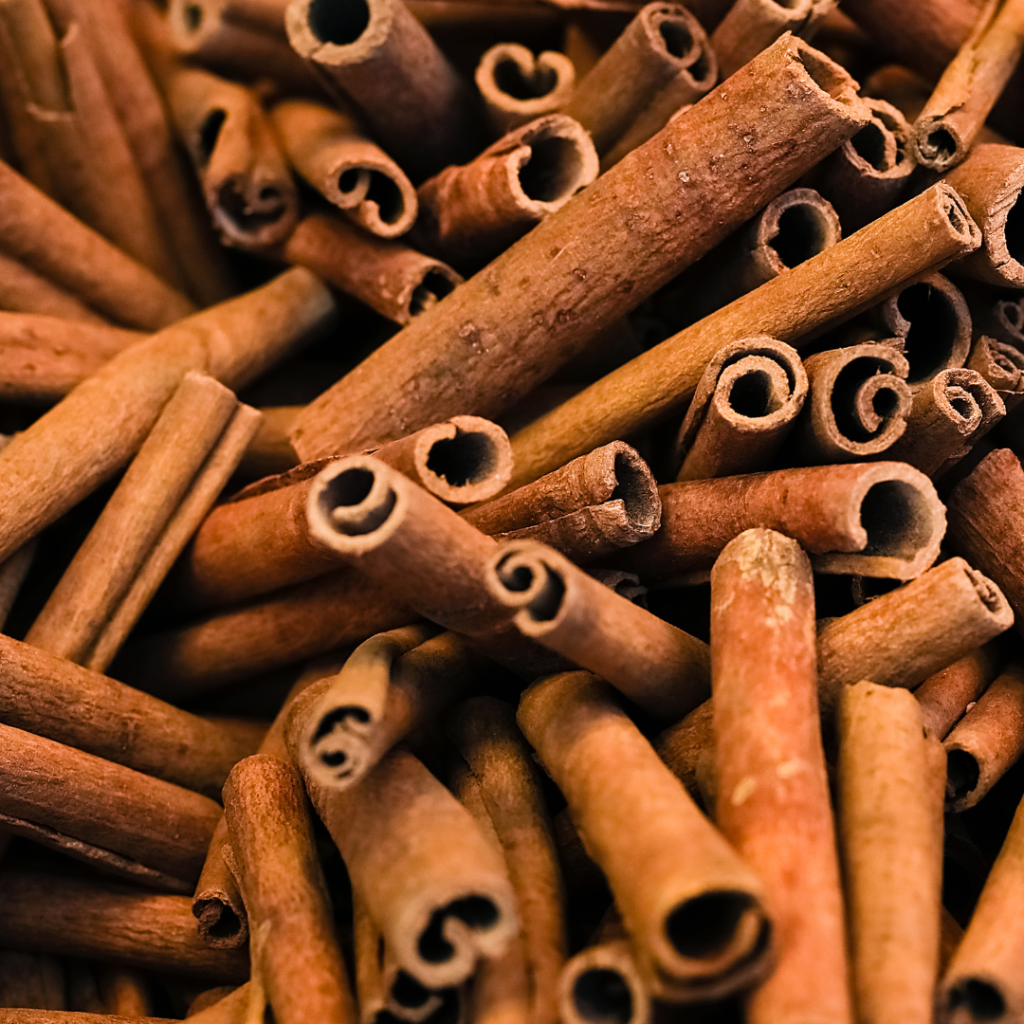
Cinnamon: The Warm Spice
Cinnamon, a familiar spice, can bring a warm and comforting aroma to the sauna. It’s known for its sweet and spicy scent and can create a cozy and inviting atmosphere, perfect for colder days. Maybe try cinnamon sauna during the Christmas time?
Juniper: The Nordic Touch
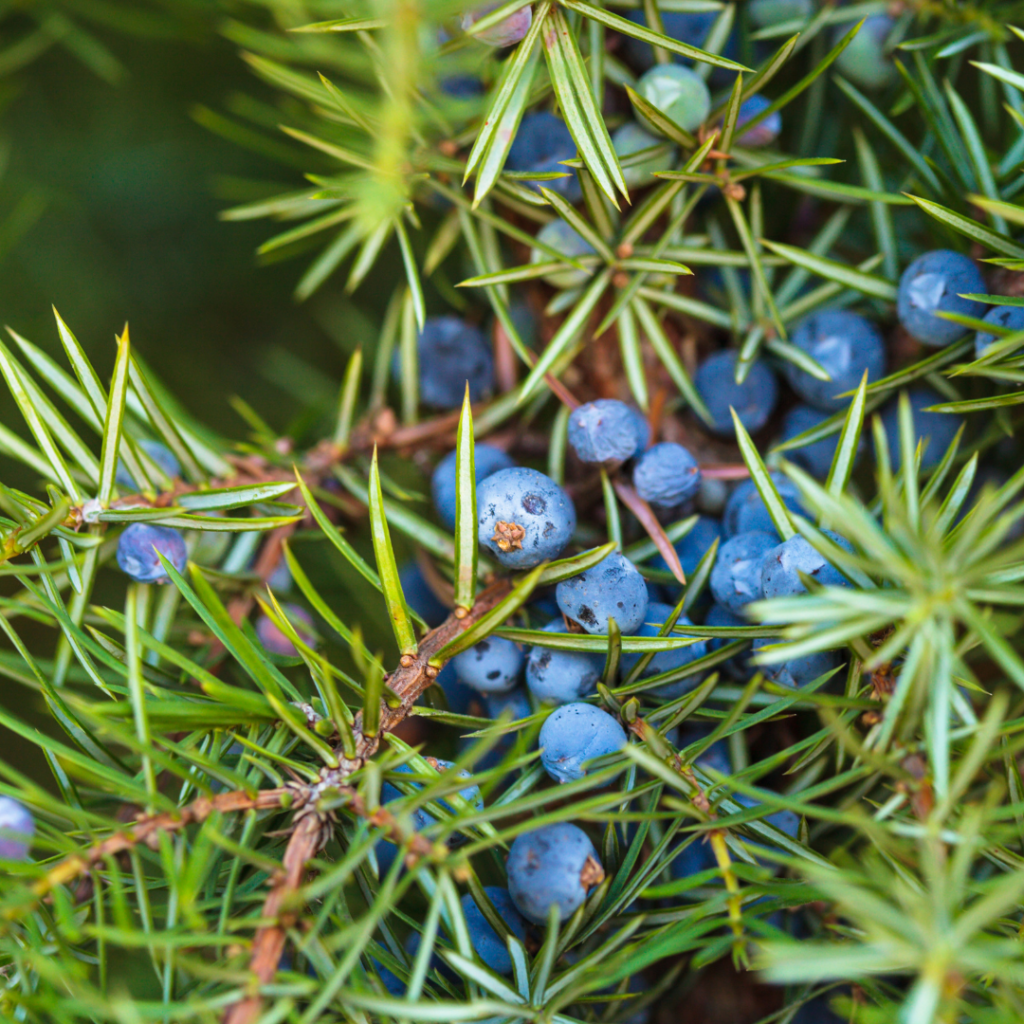
Juniper is traditional in Nordic and North American saunas. This scents is woodsy and balsamic, evoking the feeling of being in a dense, northern forest.
Matcha: The Subtle Japanese Essence
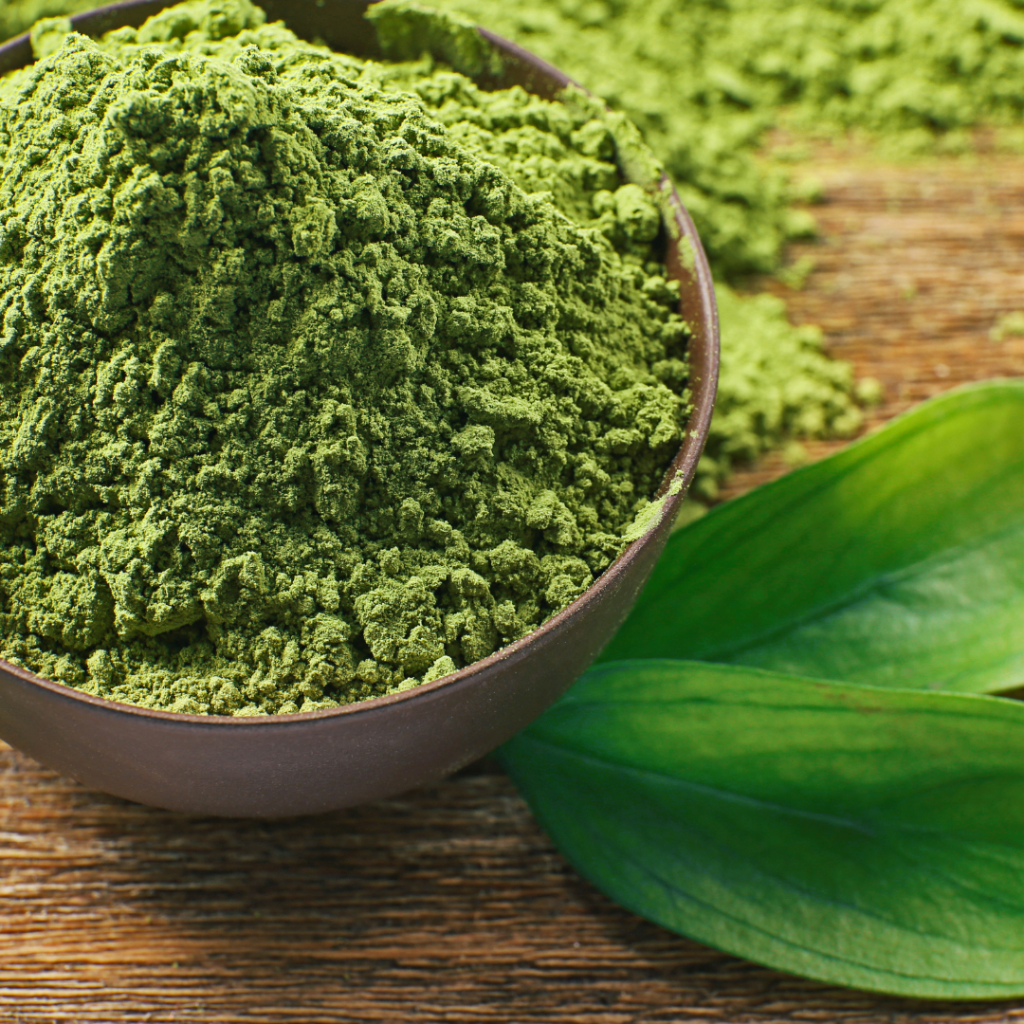
Matcha, a finely ground green tea from Japan, provides a unique and subtle aroma. It’s delicate, slightly sweet and grassy, and can offer a serene, meditative quality to the sauna experience. Yes –some even bathe in matcha.
FAQ – Sauna Scents
Sauna Scents
What Are the Best Scents for a Sauna Experience?
The best scents for a sauna experience often include Eucalyptus, Lavender, Pine, Peppermint, various Citrus scents, Sandalwood, Cedarwood, Chamomile, Rosemary, Jasmine, Tar, and Birch. Each of these scents offers unique benefits and aromas, ranging from refreshing and invigorating to calming and soothing.
Sauna Scents
How Do Sauna Scents Enhance the Sauna Experience?
Sauna scents enhance the experience by engaging the sense of smell, which can significantly affect mood and well-being. Aromas like Eucalyptus and Pine can help clear the respiratory tract, while Lavender and Chamomile promote relaxation. Scents like Birch and Tar bring a traditional, rustic feel to the sauna experience.
Sauna Scents
Can Essential Oils Be Used in Saunas?
Yes, essential oils can be used in saunas. However, they should be used cautiously. It’s recommended to dilute the oils in water before using them, as undiluted oils can be too potent and may damage sauna surfaces. A few drops in a sauna bucket or diffuser is usually sufficient.
Sauna Scents
Are Sauna Scents Safe for Everyone?
While sauna scents are generally safe, some individuals may have allergies or sensitivities to specific aromas or essential oils. It’s important to know your body’s reactions and choose scents accordingly. Pregnant women and individuals with certain health conditions should consult a healthcare provider before using sauna scents.
Sauna Scents
How Often Should Scents Be Changed in a Sauna?
The frequency of changing sauna scents depends on personal preference. Some people enjoy a consistent scent for every sauna session, while others prefer to rotate scents based on mood, season, or desired effect. Regularly changing scents can also provide a diverse and holistic sauna experience.
Sauna Scents
Can Sauna Scents Provide Health Benefits?
Many sauna scents, derived from natural sources like essential oils, offer health benefits. For example, Eucalyptus can aid in respiratory health, Lavender can help reduce stress, and Citrus scents can uplift mood. However, these benefits can vary based on the individual’s perception and reaction to the scents.